No products in the cart.
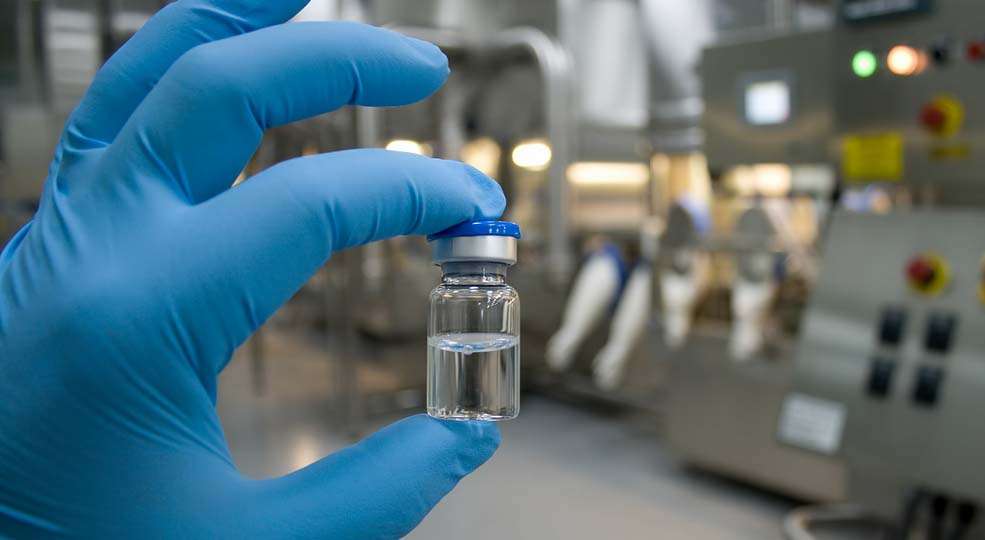



Lyophilised (freeze-dried) compounds are widely used in laboratories due to their long-term stability and suitability for controlled experimental workflows. Before these materials can be utilised in analytical, biochemical, or cellular studies, they must be reconstituted into a workable solution.
This guide explains what reconstitution is, why it is important, and how researchers typically approach the process in controlled laboratory environments, following safe, compliance-focused terminology aligned with Australian research-only standards.
By the end of this article, researchers will understand the key principles behind reconstitution, solubility, concentration calculations, and best-practice handling. No part of this content relates to human or therapeutic use.
Lyophilisation is a preservation technique in which water is removed from a compound under low temperature and vacuum, leaving behind a dry, stabilised powder. Reconstitution refers to the laboratory procedure of adding a sterile diluent—such as Bacteriostatic Water—to return the material to a usable solution for experimental workflows.
Key points:
Learn more about sterile diluents on our Bacteriostatic Water page.
Reconstituting a lyophilised compound restores its molecular conformation and solubility so it can be examined in various scientific models. Once reconstituted:
Reconstitution is therefore essential for:
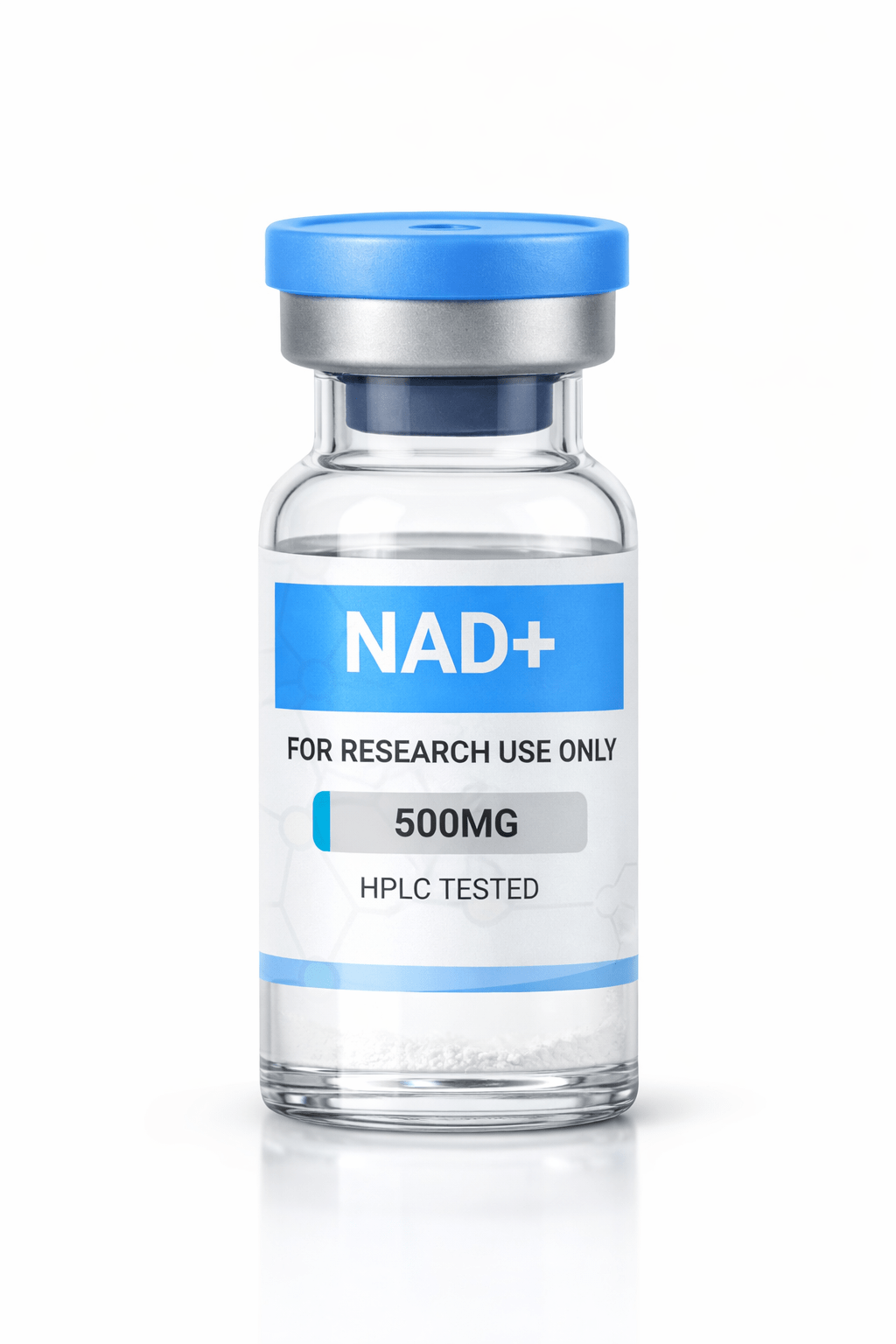
For example, compounds such as NAD+ 500mg are frequently reconstituted for research exploring cellular metabolism.
Lyophilised compounds are found across a wide range of scientific fields. While the exact use depends on the material, they are commonly involved in studies related to:
All applications remain strictly within laboratory, in-vitro, biochemical, or analytical frameworks.
Reconstituting lyophilised compounds requires consistency, sterility, and proper documentation. The following best practices support reliable research outcomes:
Common laboratory diluents include:
Always ensure compatibility of the compound with the chosen solvent.
Adding liquid gently down the inside of the vial minimises:
Avoid shaking; instead, allow gentle swirling until completely dissolved.
A common concentration formula used in research:
mg of compound ÷ mL of diluent = mg/mL concentration
Example:
10 mg compound + 2 mL diluent = 5 mg/mL final concentration
Document all concentrations clearly for reproducibility.
After reconstitution, many compounds exhibit reduced stability. Typical research-oriented guidelines include:
Refer to the PurePeptix Storage & Stability Guide for deeper information.
Each vial should be marked with:
Proper labelling supports compliance and traceability.
Reconstituting lyophilised compounds is an essential laboratory skill that ensures accuracy, consistency, and reliability in scientific research. By understanding solubility, concentration, sterility, and storage principles, researchers can maintain the integrity of their experiments and achieve reproducible results.
PurePeptix offers a wide range of research-grade peptides and laboratory compounds to support advanced scientific studies. Explore our product catalogue and research guides to learn more about preparing and handling high-purity materials in controlled environments.