No products in the cart.
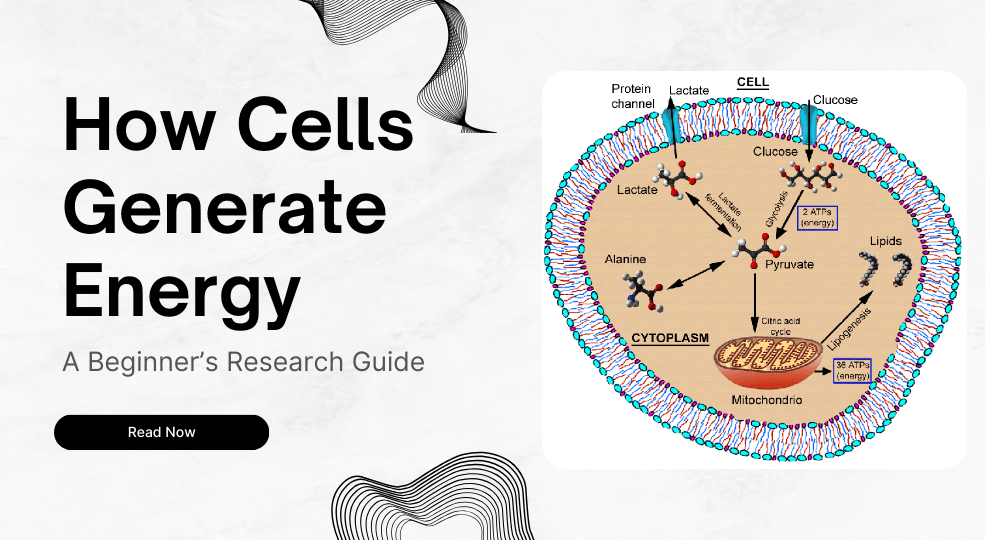



Every living cell requires energy to function. While the idea of “cellular energy” may sound technical, the basic concept is simple: cells use controlled chemical reactions to convert nutrients into usable energy. Scientists study these processes in laboratory environments to better understand how cellular systems work.
This article explains how cells generate energy, what molecules are involved, and how researchers study these mechanisms using biochemical models. The content is written for beginners and is intended strictly for research and educational purposes.
Cellular energy refers to the biochemical processes that allow cells to carry out essential functions such as maintaining structure, transporting molecules, and supporting internal reactions.
In research settings, scientists focus on:
Rather than studying energy in a physical sense, researchers examine chemical energy transfer at the molecular level.
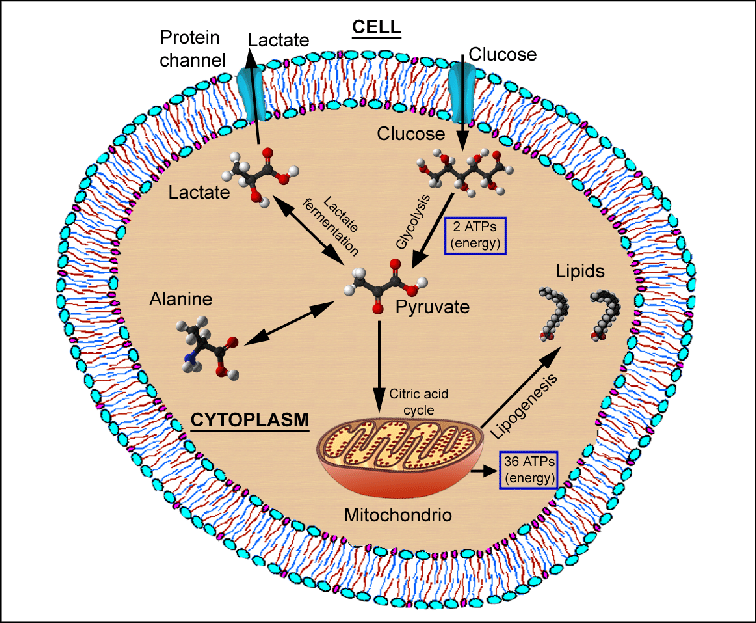
Cells generate energy through a series of enzyme-driven reactions known as metabolic pathways. These pathways involve the breakdown and transformation of nutrients into smaller molecules that release energy.
In laboratory research, these processes are studied using:
By isolating specific reactions, researchers can better understand how energy-related pathways operate under controlled conditions.
Energy generation inside cells relies on helper molecules that transfer electrons between reactions. These molecules allow enzymes to function efficiently and keep metabolic pathways moving.
One such molecule commonly examined in research is NAD+, which acts as an electron carrier in many biochemical reactions. Scientists study how these carriers behave because they help explain:
This research is conducted entirely in laboratory environments without involving human or animal use.
To analyse cellular energy mechanisms, researchers use several laboratory techniques, including:
These tools allow researchers to track how energy-related molecules function and interact at a cellular level.
Understanding cellular energy pathways helps researchers:
Energy-related research is foundational in many scientific fields, including molecular biology, chemistry, and laboratory-based life science studies.
To ensure reliable results, laboratories use research-grade compounds that meet strict analytical standards. These materials are:
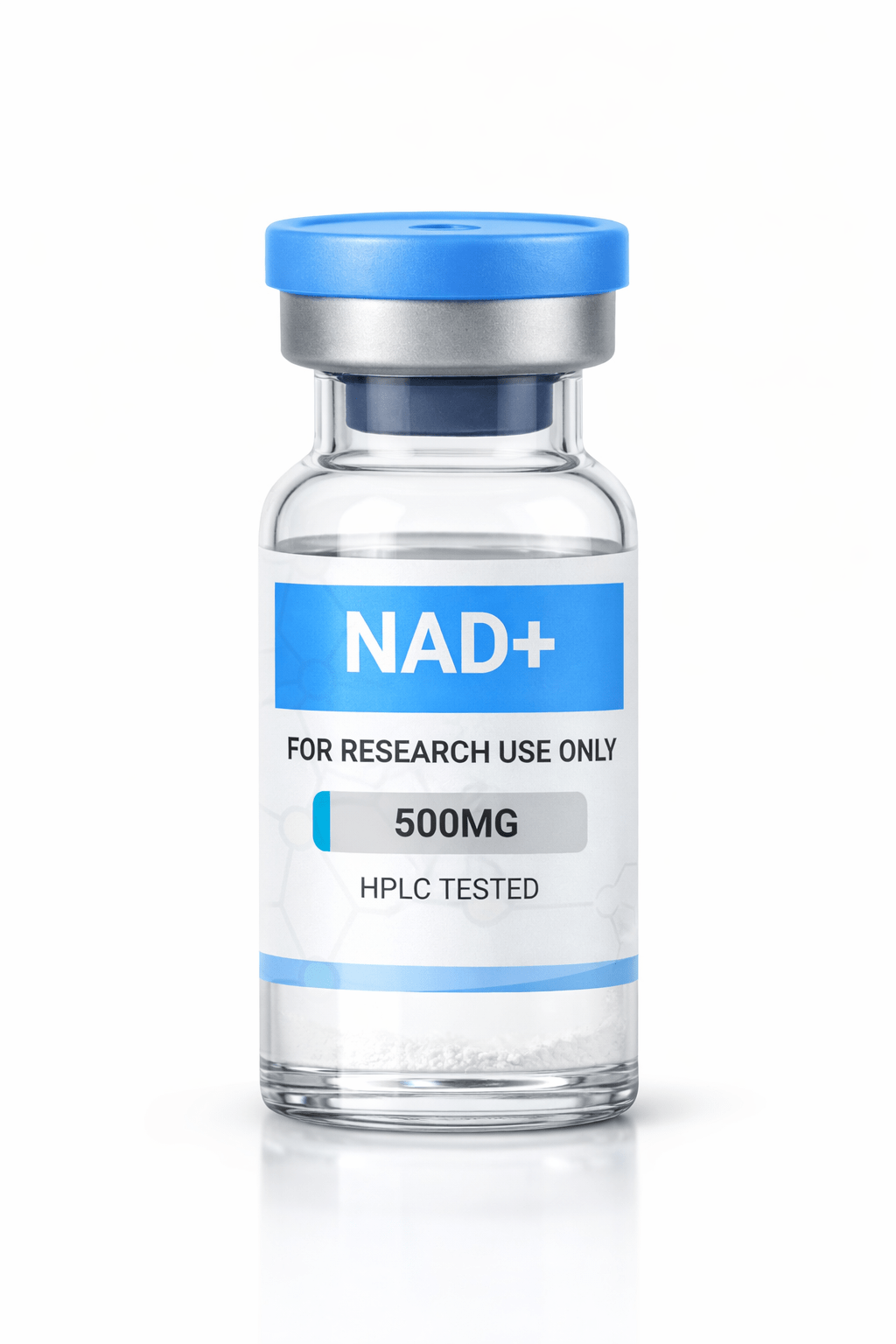
For example, NAD+ 500mg is provided by PurePeptix as a research-only compound intended for biochemical and cellular energy studies.
Explore the research compound here: NAD+ 500mg
Cellular energy generation is a complex but fascinating process that can be understood with simple explanations. By studying energy pathways in controlled laboratory environments, researchers gain insights into how cells function at a molecular level.
This guide offers a beginner-friendly overview of how cellular energy is researched and why it remains a key focus in scientific studies.