


No products in the cart.

Retatrutide Peptide: Advancing Weight Loss Research Beyond GLP-1
The worldwide epidemic of obesity has created a requirement for better therapeutic research that uses established scientific mechanisms to develop new treatments. Researchers have now

What Is Cagrilintide? A Research Guide to Amylin, Appetite Signalling & Metabolic Studies
Modern metabolic research has evolved far beyond simple “calories in vs calories out.” Scientists now focus heavily on how appetite is regulated, how hunger signals are triggered,
Safe Handling & Lab PPE for Peptides (Compliance-Focused Research Guide)
Working with research peptides requires strict attention to laboratory safety, contamination control, and proper personal protective equipment (PPE). These biomolecules are sensitive
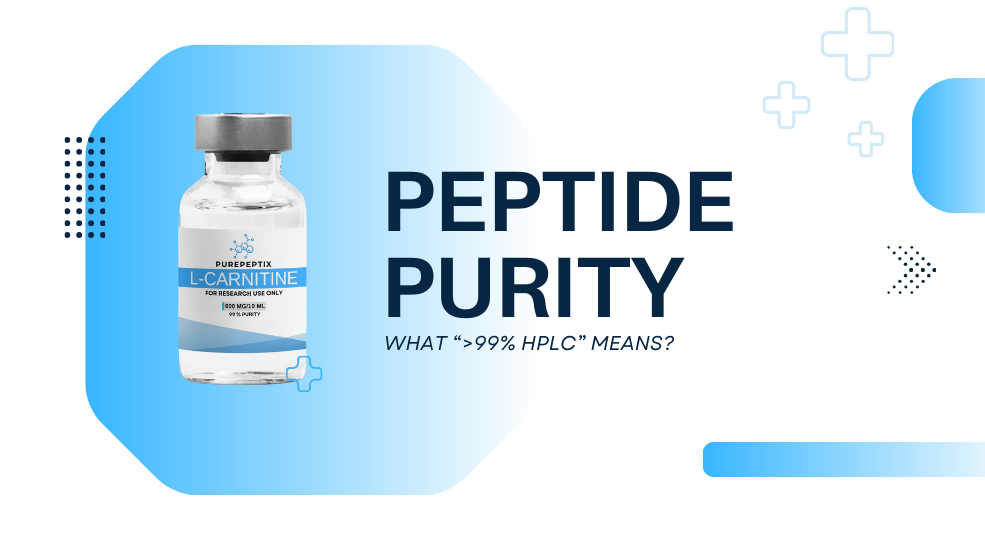
Peptide Purity: What “>99% HPLC” Means (Research Reference Guide)
Peptide purity is one of the most important factors influencing the reliability of laboratory research. When a peptide is labelled “>99% HPLC purity”, it indicates that the material
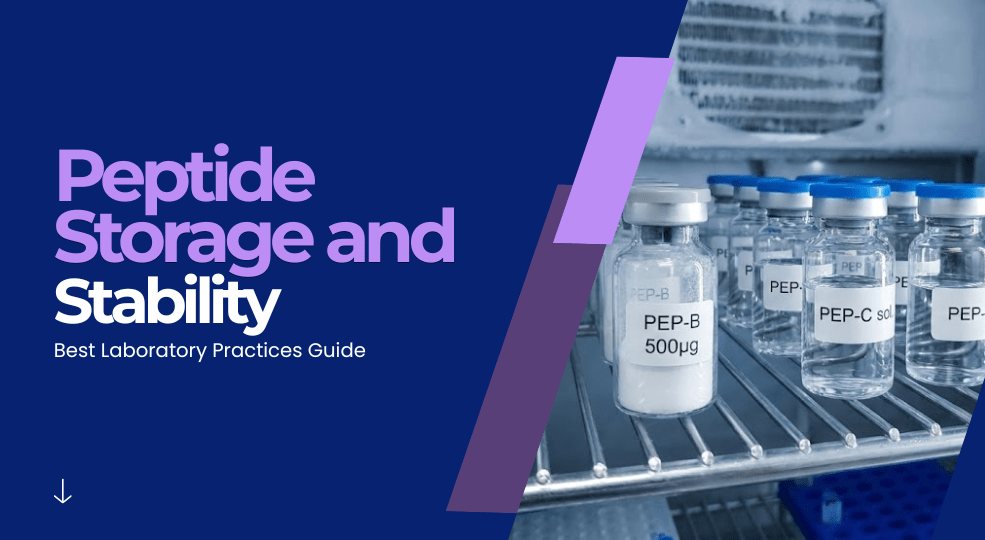
Storage & Stability: Best Practices for Peptides (Research Reference Guide)
Peptides are highly sensitive biomolecules, and their integrity can change rapidly if they are not stored under appropriate laboratory conditions. Factors such as temperature, moisture,
Bacteriostatic Water vs Sterile Water (Research Uses Explained)
In laboratory environments, choosing the correct diluent is essential for accurate, contamination-free research. Two commonly used diluents are Bacteriostatic Water and Sterile Water,
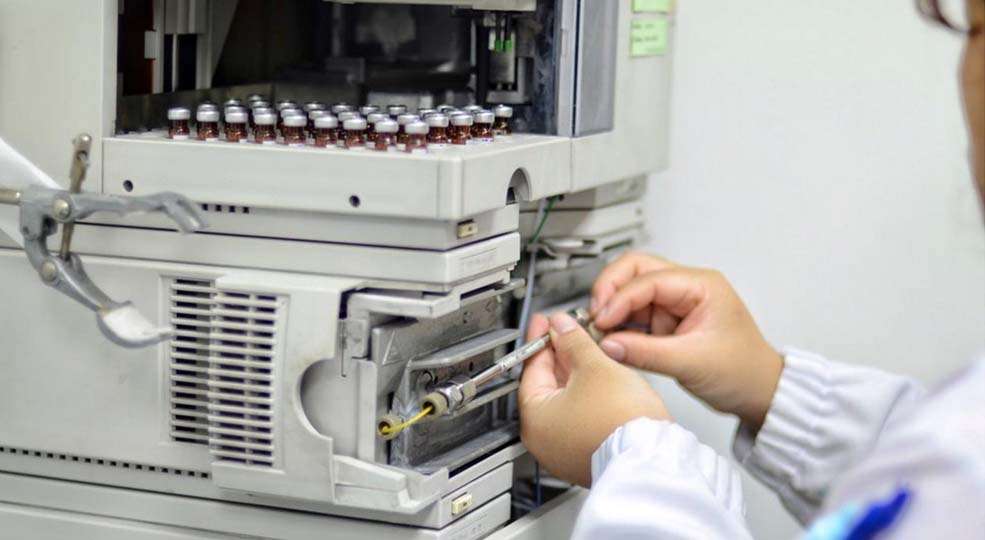
Understanding HPLC & Reading a COA (How to Interpret Research Results)
High-Performance Liquid Chromatography (HPLC) and Certificates of Analysis (COAs) are fundamental tools used across scientific and analytical laboratories. They provide critical information
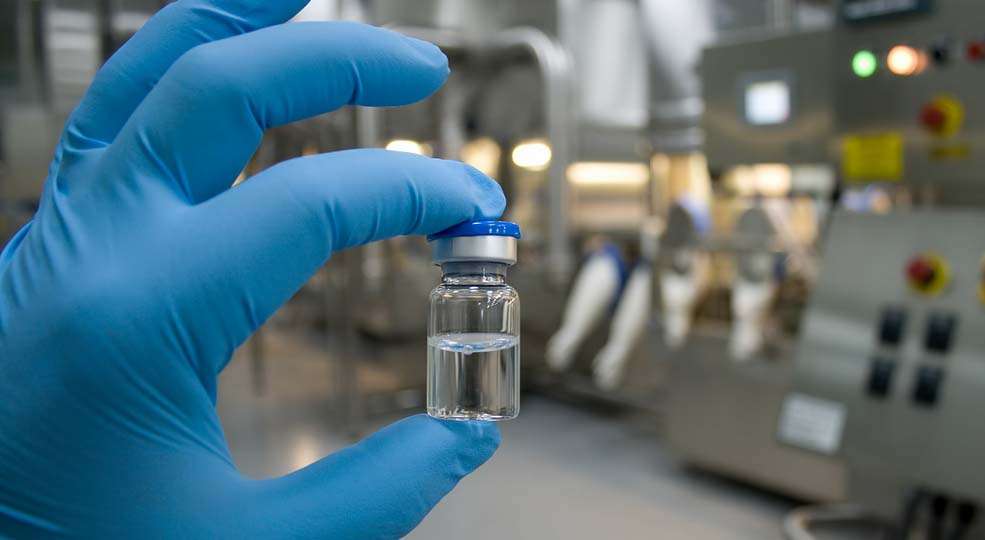
How to Reconstitute Lyophilised Compounds (Research Reference Guide)
Lyophilised (freeze-dried) compounds are widely used in laboratories due to their long-term stability and suitability for controlled experimental workflows. Before these materials can
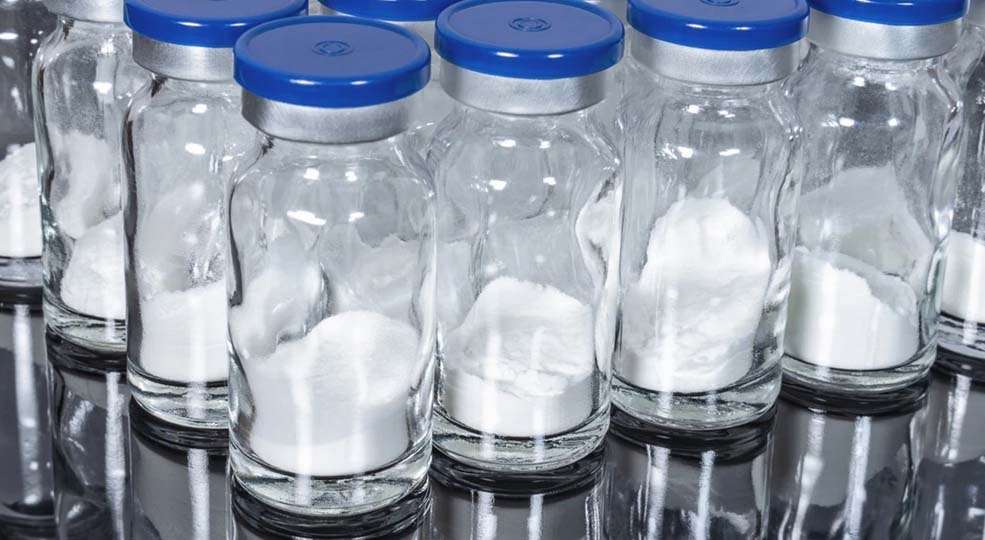
Lyophilisation in Research: What It Is & Why It Matters
Lyophilisation (freeze-drying) is one of the most important preservation methods used in modern biochemical and peptide research. It allows sensitive compounds—especially peptides,
Featured products
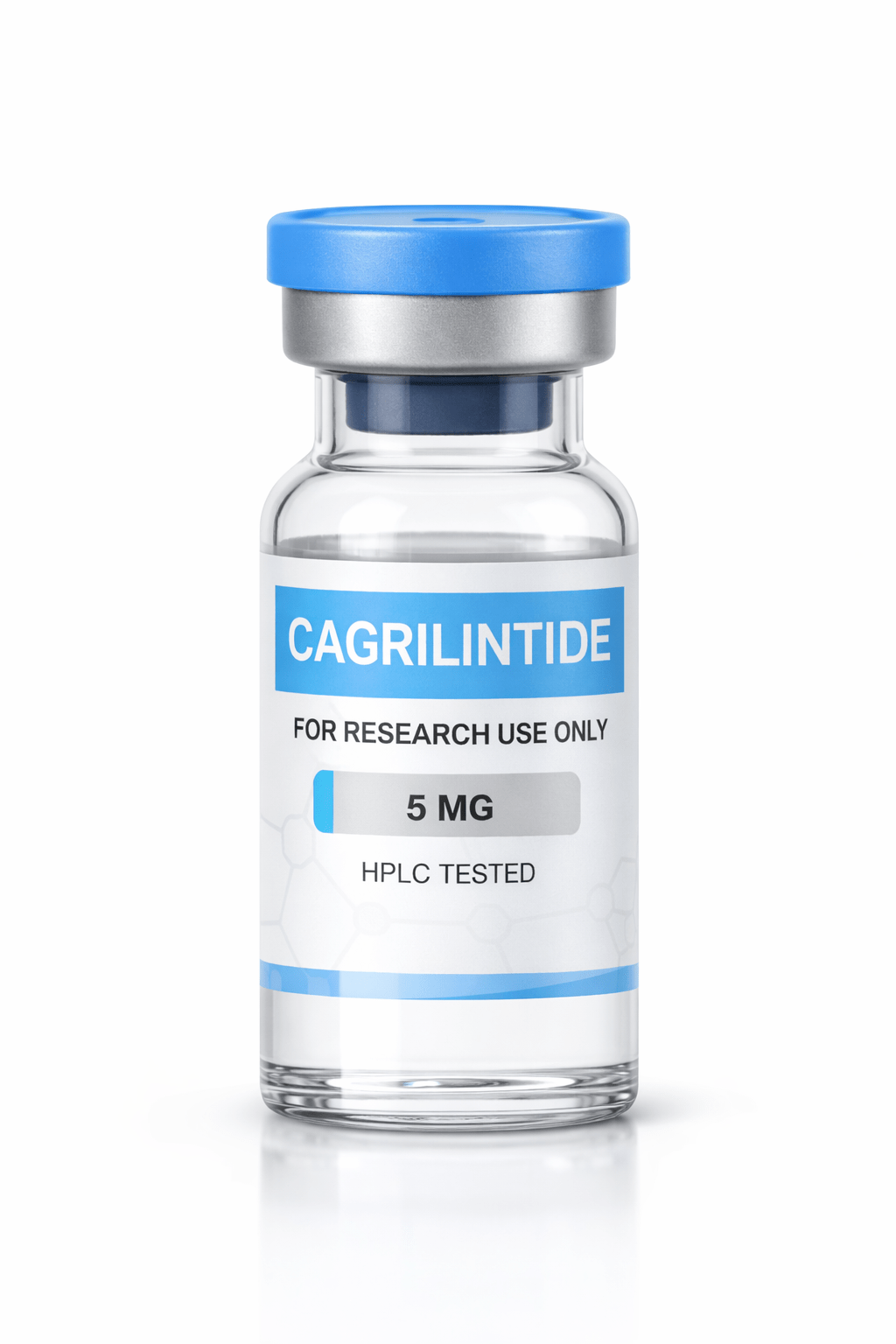
Cagrilintide 5mg Peptide Australia | Research Use Only
Original price was: $ 90.$ 80Current price is: $ 80.
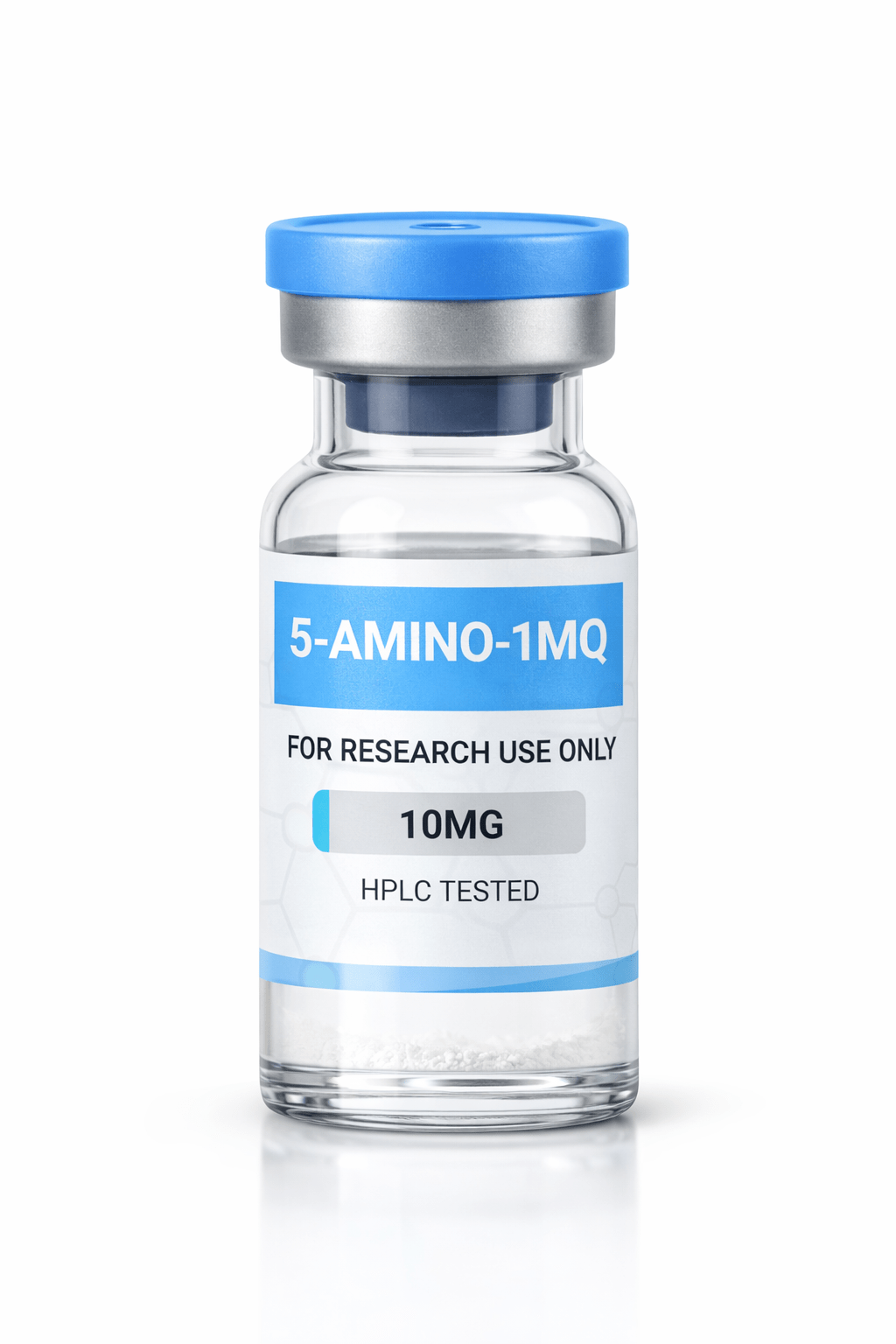
5-Amino-1MQ 10mg Peptide Australia | Research Use Only
Original price was: $ 80.$ 75Current price is: $ 75.
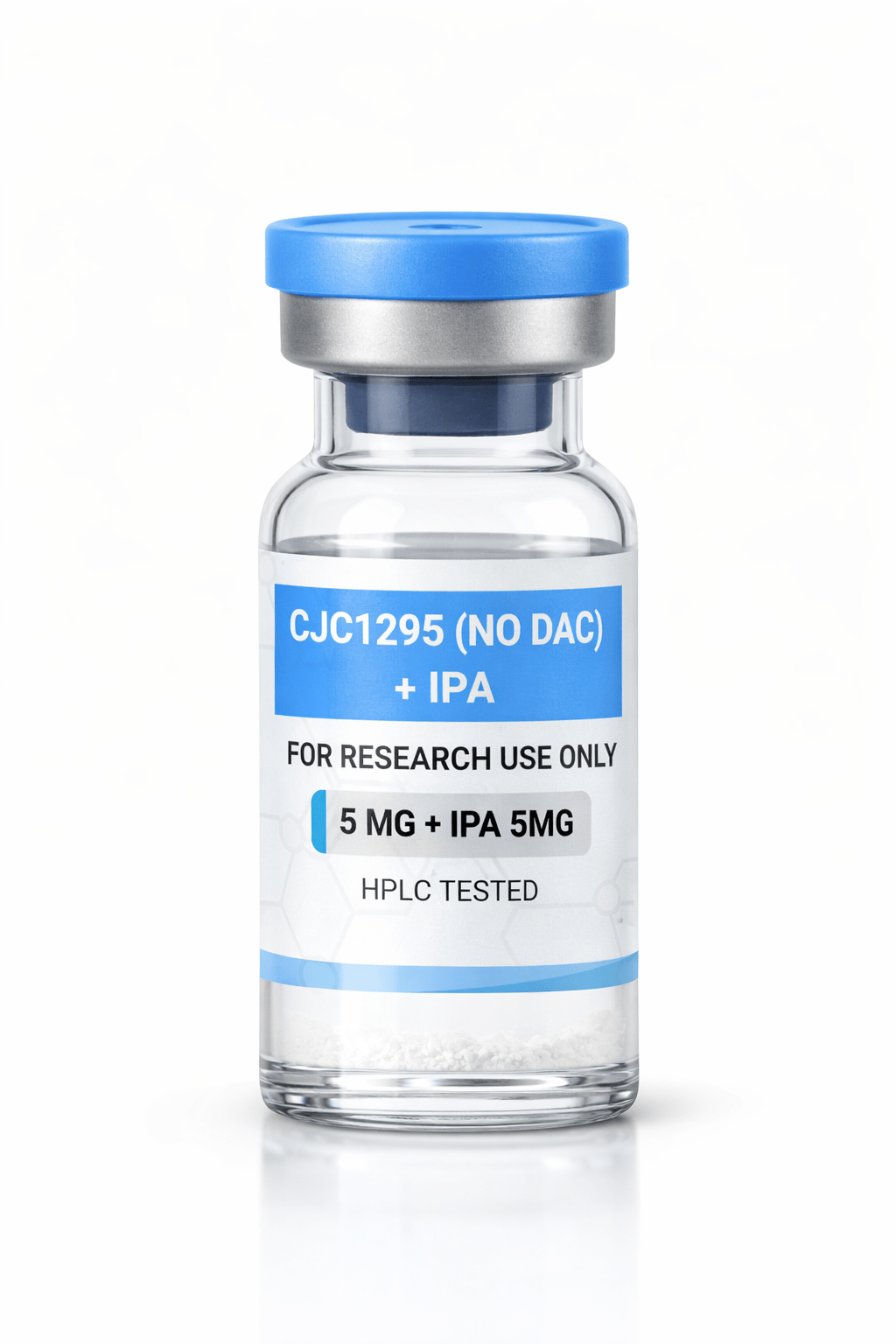
CJC1295 (No DAC) 5mg + IPA 5mg Peptide Australia
Original price was: $ 100.$ 90Current price is: $ 90.
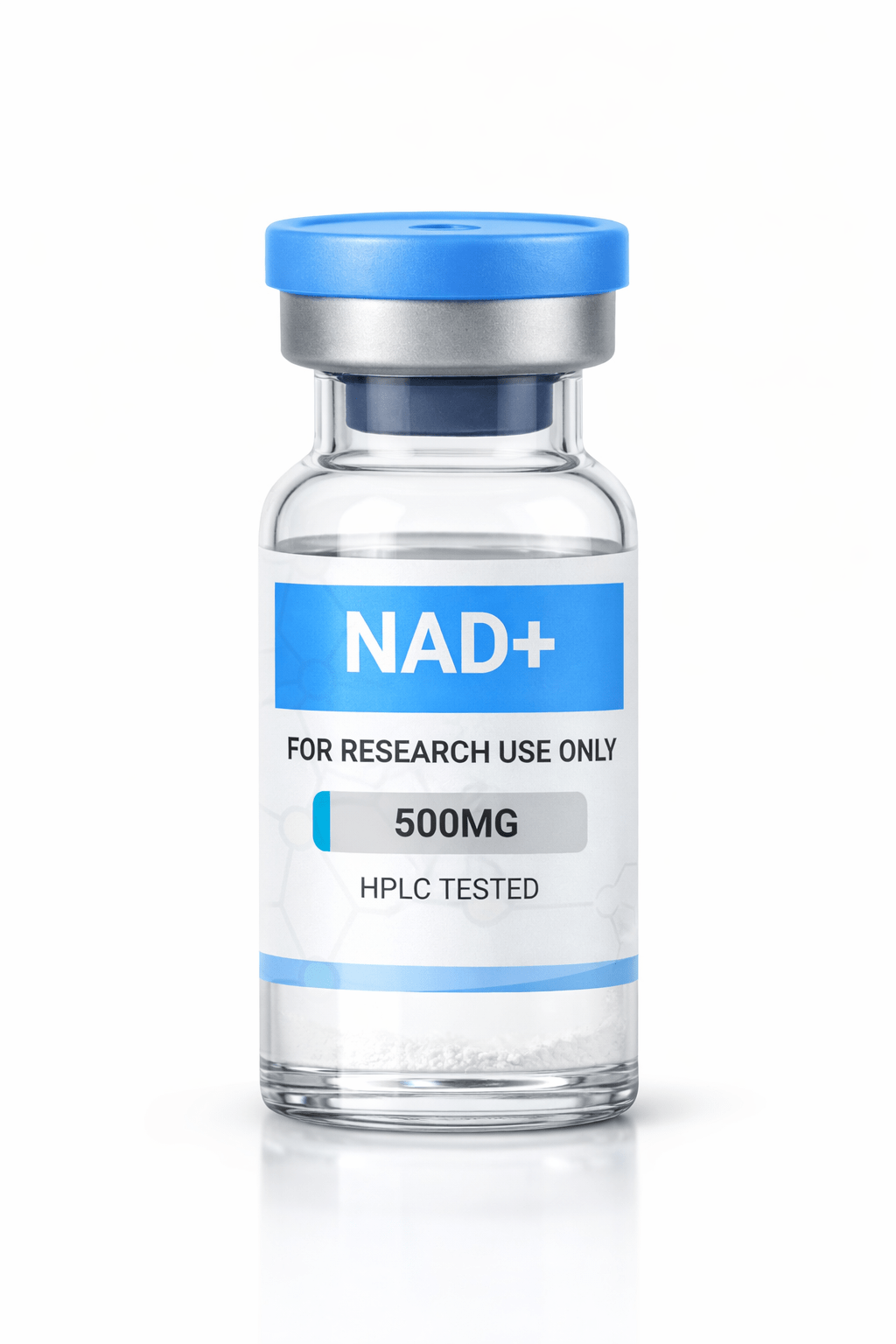
NAD+ 500mg Peptide Australia | High-Purity Research Use Only
Original price was: $ 110.$ 100Current price is: $ 100.
