No products in the cart.




Cells need energy to function, grow, and maintain internal balance. While the idea of “energy” is often discussed in everyday language, scientists study cellular energy in a very specific and controlled way. In laboratory research, energy-related molecules are examined to understand how biochemical systems operate at a molecular level.
This article explains why scientists study cellular energy molecules, what role these molecules play in research models, and how laboratories investigate energy processes—using clear, non-technical language. All information is presented strictly for research and educational purposes.
Cellular energy molecules are compounds involved in chemical reactions that allow cells to transfer and manage energy. Rather than storing energy like a battery, these molecules help move electrons between reactions, enabling metabolic pathways to function.
In research settings, scientists focus on:
These studies help build accurate biochemical models without involving human or animal use.
Energy-related molecules are studied because they sit at the center of many biochemical processes. When researchers want to understand how cells function, energy transfer is often one of the first areas examined.
Scientists study these molecules to:
By focusing on energy molecules, researchers can gain insight into how complex systems operate at a fundamental level.
In laboratory environments, energy-related research is carried out using controlled experimental systems. These may include:
These methods allow researchers to isolate specific reactions and observe how energy-related molecules behave under defined conditions.
One of the most commonly studied energy-related molecules in research is NAD+ (nicotinamide adenine dinucleotide). Scientists examine NAD+ because it participates in many reactions that involve electron transfer.
In laboratory studies, NAD+ is used to:
These investigations are conducted strictly in research settings and focus on molecular behaviour rather than outcomes related to human use.
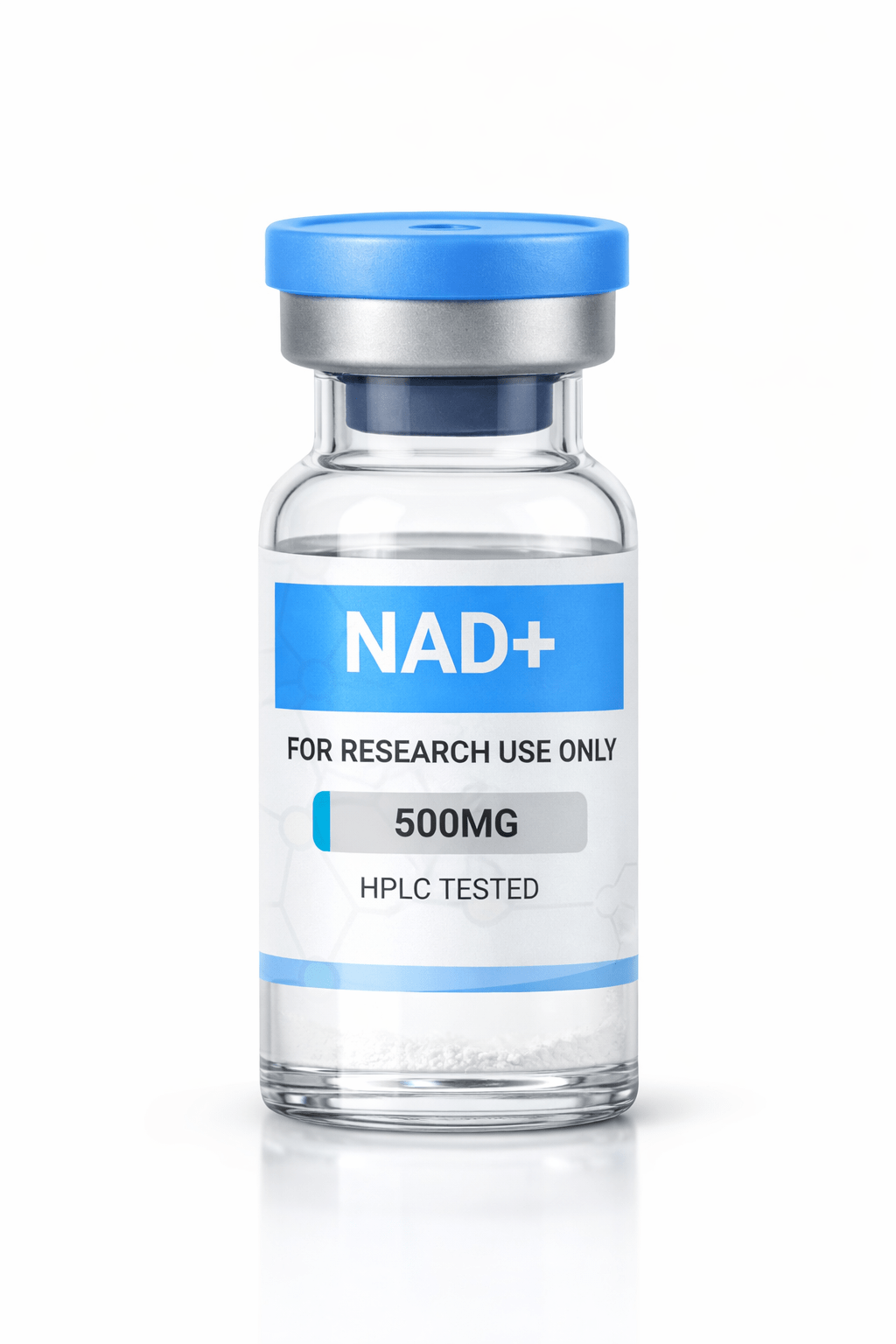
Researchers interested in this area often explore research-grade NAD+ compounds that meet analytical standards.
Explore the NAD+ research compound here: NAD+ 500mg
For accurate results, laboratories rely on compounds that meet strict quality requirements. Research-grade materials are typically:
Using verified compounds helps ensure consistency, reproducibility, and reliability across experiments.
Cellular energy research supports many areas of science, including:
By understanding how energy molecules function, researchers can build stronger experimental models and better interpret biochemical data.
Scientists study cellular energy molecules to understand how biochemical systems function at their most basic level. By examining how energy is transferred, regulated, and maintained within cells, researchers gain valuable insights into metabolic and molecular processes.
This beginner-friendly guide explains the purpose of energy molecule research without technical complexity, offering a clear view into why compounds like NAD+ remain central to laboratory studies.