No products in the cart.
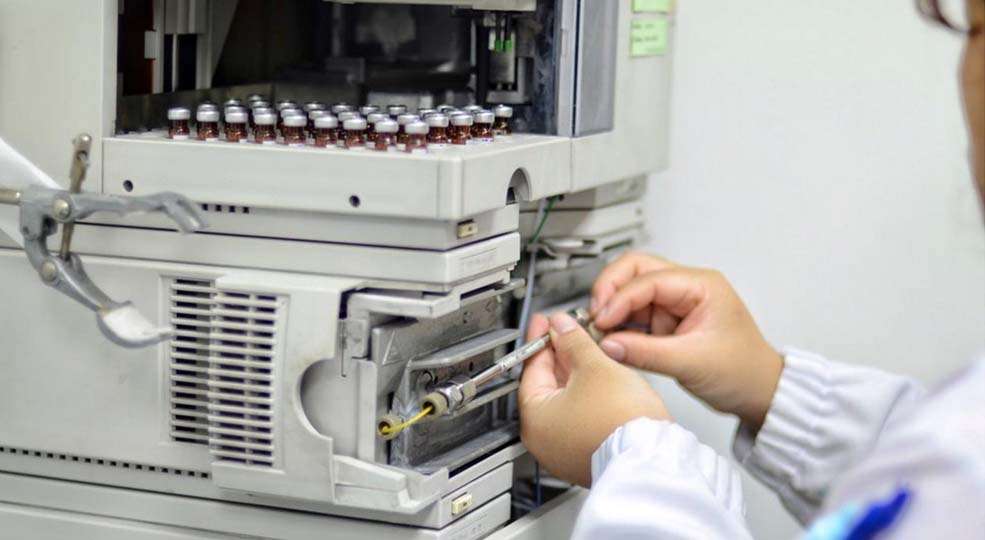


High-Performance Liquid Chromatography (HPLC) and Certificates of Analysis (COAs) are fundamental tools used across scientific and analytical laboratories. They provide critical information about purity, identity, and composition of research compounds, helping researchers validate that a material meets required experimental standards.
This guide explains what HPLC is, how it works, why it matters, and how to understand a COA, using clear, compliance-safe language suitable for Australian research environments.
No part of this article refers to medical or therapeutic use.
High-Performance Liquid Chromatography (HPLC) is an analytical technique used to separate, identify, and quantify components within a mixture. It is widely used in peptide analysis, small-molecule profiling, and general laboratory verification.
Researchers rely on HPLC data to evaluate whether a compound is suitable for in-vitro, biochemical, or analytical studies.
HPLC operates by passing a liquid sample through a packed column under high pressure. Different molecules interact with the column’s stationary phase differently, causing them to separate as they pass through.
For peptides and small molecules, HPLC is one of the most trusted methods to verify material quality before use in laboratory workflows.
A Certificate of Analysis (COA) accompanies most research compounds and provides verified test results from analytical laboratories.
Most COAs include:
Purity (%) displayed on the COA reflects the proportion of the main peak relative to total peaks.
Example:
If the main peak represents 99.12% of the total area, the compound is considered high purity.
Researchers examine:
HPLC data helps researchers make decisions about suitability for cell-based assays, protein-binding tests, or general biochemical analysis.
HPLC and COA interpretation support a broad range of scientific fields, including:
Always match the COA’s batch or lot number with the vial being used in the study.
Ensure results align with expected reference values for your experimental design.
COAs often include conditions that maintain molecular integrity.
Maintaining a COA logbook helps with reproducibility and compliance.
Some labs run their own HPLC to cross-reference supplier reports.
HPLC and COAs are essential tools for verifying the purity, identity, and consistency of research compounds. Understanding how to read chromatograms, purity percentages, and batch data helps ensure accurate, reproducible results across laboratory environments.
PurePeptix provides a wide catalogue of research-grade peptides and compounds, each accompanied by clear analytical details to support informed scientific work.
Explore our product pages and Research Library for more information on laboratory handling, stability, and analytical interpretation.
For supporting documents, visit our Research Library, FAQ Hub, and Peptide Storage Guide.