No products in the cart.
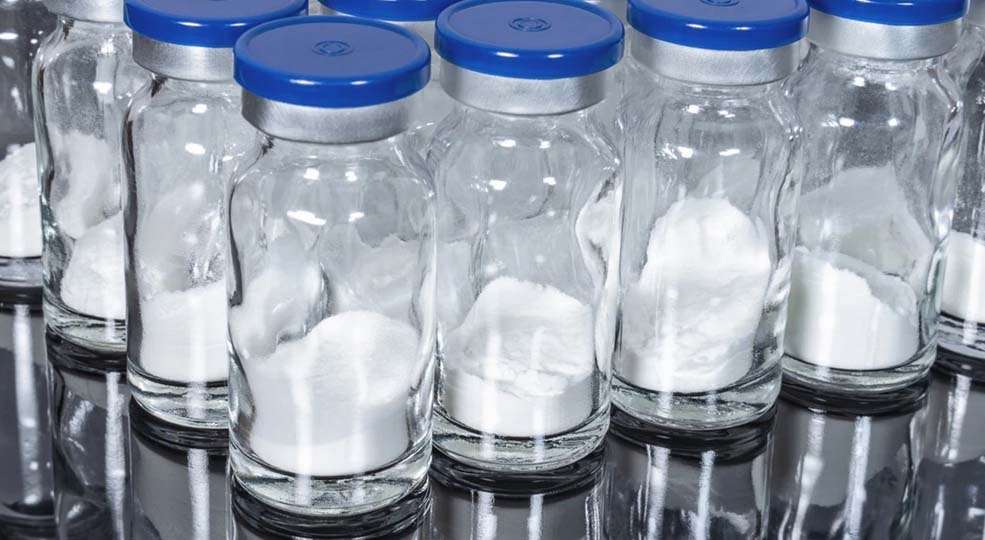



Lyophilisation (freeze-drying) is one of the most important preservation methods used in modern biochemical and peptide research. It allows sensitive compounds—especially peptides, enzymes, coenzymes, and small molecules—to remain stable for long periods without losing structural integrity.
If you’ve ever wondered why most lab peptides arrive as a white, dry powder, this article explains the science behind the process, why researchers rely on it, and how lyophilised compounds benefit laboratory workflows.
Lyophilisation is a specialised dehydration technique that removes water from a substance by freezing it and then reducing pressure so the ice transitions directly into vapour (sublimation).
In research settings, lyophilisation is used to:
Maintain molecular stability
Preserve peptide structure during transport
Extend shelf-life
Allow long-term storage at controlled temperatures
This makes it especially valuable for compounds that degrade quickly in liquid form.
Lyophilisation follows three controlled steps that protect the molecular integrity of sensitive compounds:
The compound is frozen at extremely low temperatures.
This locks its structure and prevents rearrangement of peptide bonds, coenzymes, or amino acid sequences.
Pressure is lowered, causing ice to convert directly into vapour.
No liquid phase means no risk of hydrolysis, one of the most common degradation pathways for peptides.
Remaining bound moisture is removed.
This step ensures long-term stability and reduces the risk of microbial growth.
Researchers benefit from these steps because lyophilised materials remain chemically consistent across batches, which is essential for reproducible experiments.
In scientific environments, lyophilised peptides and compounds are:
More stable over extended periods
Easier to transport due to reduced moisture and lower sensitivity
Simple to reconstitute with sterile water
Less prone to degradation during temperature fluctuations
Lyophilised compounds are widely used in studies involving:
Biochemical assays
Molecular signalling models
Enzyme kinetics
Cellular metabolism investigations
Structural analysis of peptides
Because the structure is preserved during freeze-drying, researchers get a higher level of reliability in experimental modelling.
Lyophilised materials are commonly examined in studies exploring:
Peptide–receptor interactions
Enzymatic and metabolic pathways
Oxidative processes
Mitochondrial modelling
Cell signalling behaviour
Protein folding and stability
Their predictable performance makes them ideal reference materials in preclinical and analytical research.
Many research peptides at PurePeptix are supplied in lyophilised form for maximum stability. For example:
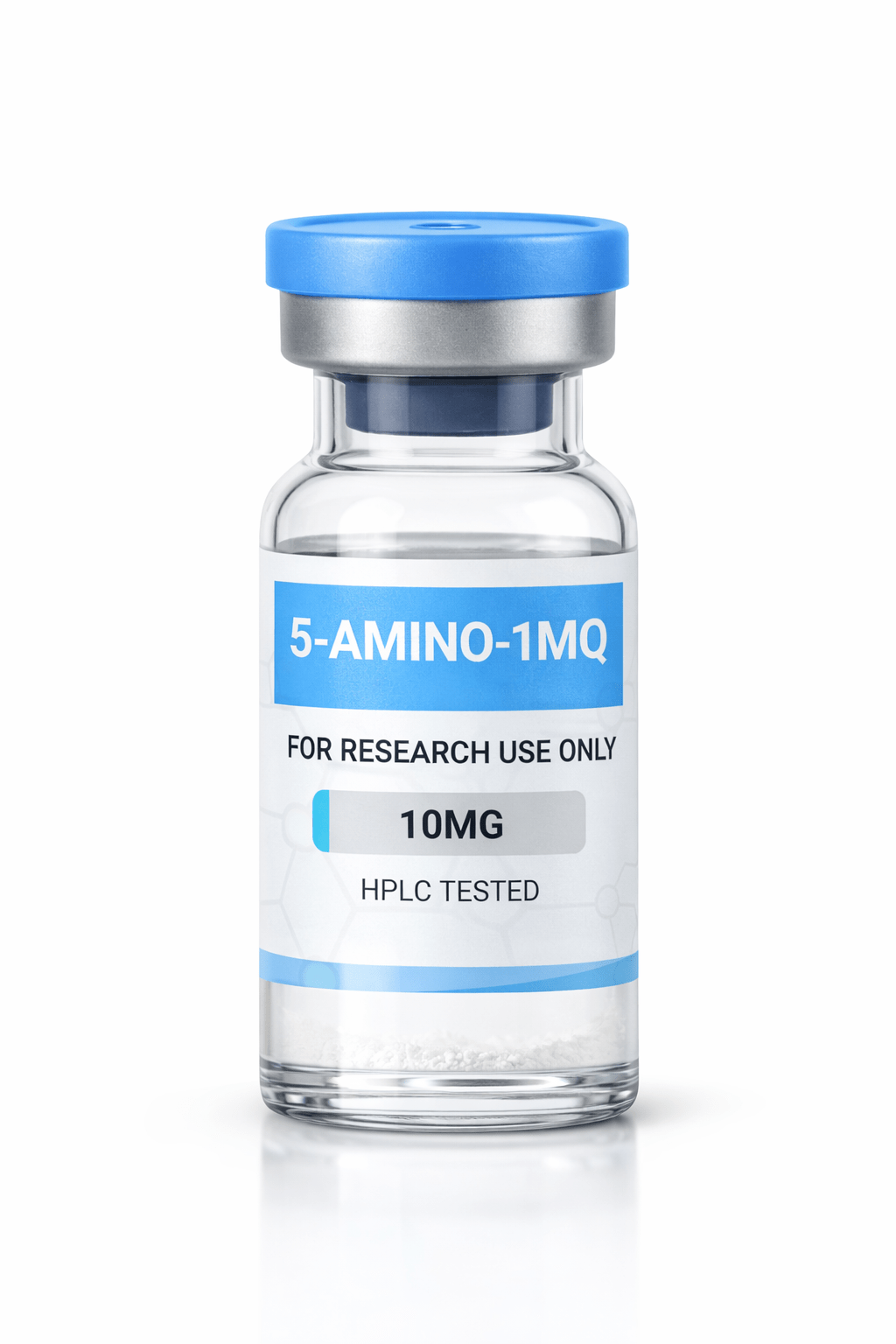
5-Amino-1MQ 10mg, often used in studies investigating metabolic regulation.
Explore the research compound 5-Amino-1MQ 10mg here.
L-Carnitine 600mg, frequently examined for its role in mitochondrial energy transport.
Explore the research compound L-Carnitine 600mg here.
These internal links appear once each to maintain a clean, user-friendly format.
Below are general laboratory guidelines (not medical or personal-use advice):
Use sterile tools and a controlled environment.
Avoid exposing the powder to moisture or prolonged air exposure.
Reconstitute using sterile water or a research-approved diluent.
Mix gently without shaking to avoid peptide denaturation.
Refer to lab SOPs for concentration requirements.
Store lyophilised vials in a cool, dry place.
Refrigerate after reconstitution unless otherwise specified.
Minimise freeze–thaw cycles.
Lyophilised compounds typically maintain structural integrity longer than liquid forms, making them ideal for longitudinal experiments.
Lyophilisation is essential for preserving the stability, purity, and functionality of research compounds. Its ability to protect molecular structures makes freeze-dried peptides highly reliable tools for laboratory modelling, biochemical assays, and cellular investigations.
For researchers working with advanced lab peptides or metabolic compounds, exploring PurePeptix’s range of lyophilised materials—such as 5-Amino-1MQ 10mg and L-Carnitine 600mg—can support high-quality, reproducible results across scientific studies.